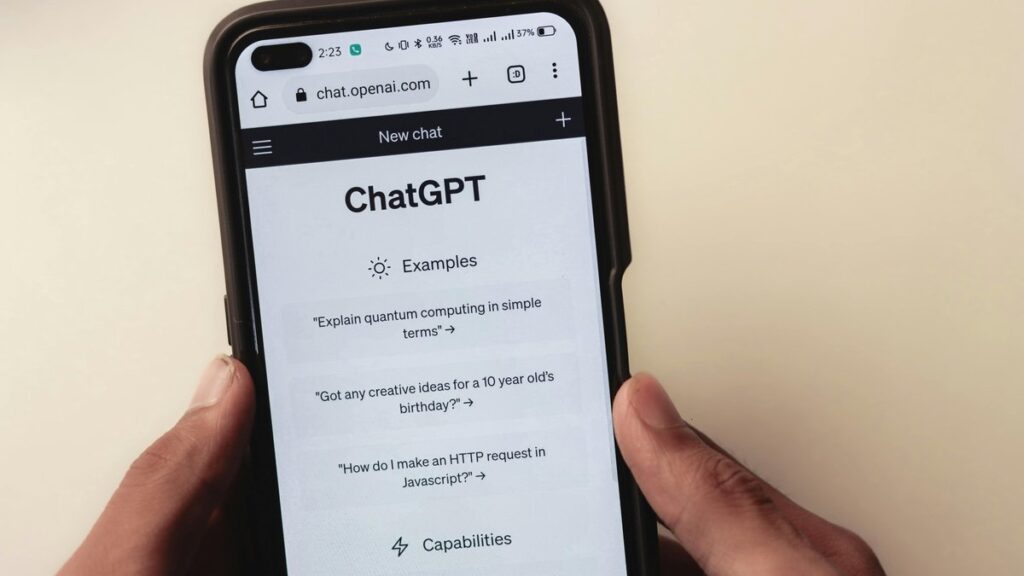
If you’re working on enterprise AI projects, you’ve probably hit the same wall everyone else has. You get amazing results in demos, but when you try to scale prompt engineering across your organization, everything falls apart. The prompts that worked perfectly in testing suddenly fail in production, and your team spends more time debugging than building.
Here’s the secret: the most successful AI teams aren’t necessarily writing better prompts. They’re using the right foundational resources to build systems that work consistently at scale.
Here’s what you need to know:
- Enterprise AI requires systematic approaches, not just clever prompts
- These repositories provide battle-tested frameworks for production environments
- They help teams standardize prompt engineering across large organizations
- You can avoid common scaling pitfalls that derail most AI projects
The Enterprise-Ready Prompt Engineering Toolkit
Let’s start with the Prompt Engineering Guide from dair-ai. This isn’t just another collection of tips and tricks. It’s a comprehensive framework that treats prompt engineering as a legitimate engineering discipline. The repository covers everything from basic techniques to advanced concepts like chain-of-thought prompting and self-consistency methods.
What makes this essential for enterprise teams? It provides standardized terminology and methodologies that your entire organization can adopt. When everyone speaks the same language and follows the same processes, you eliminate the chaos that typically plagues AI projects.
Next up is the Awesome ChatGPT Prompts repository. While it might seem like just a collection of example prompts, the real value for enterprise teams lies in the patterns it reveals. You’re not copying prompts verbatim – you’re learning the underlying structures that make prompts effective across different use cases.
Building Production-Grade AI Systems
The Learn Prompting repository takes a more educational approach, which is perfect for organizations that need to upskill entire teams. What separates this from casual learning resources? It’s structured like a professional curriculum with progressive difficulty levels and practical exercises.
For enterprise teams, this means you can create standardized training programs that ensure everyone from product managers to engineers understands prompt engineering fundamentals. According to The Verge, companies that invest in systematic AI training see 3x faster adoption and significantly better results from their AI initiatives.
Then there’s the Prompt Engineering for Developers repository from DAIR.AI. This is where theory meets practice. The repository focuses specifically on implementation patterns and best practices for developers building real applications. It covers critical topics like prompt testing, versioning, and monitoring – the exact challenges that enterprise teams face when moving from prototypes to production.
Why Scale Changes Everything
When you’re running AI at scale, the rules change completely. What works for individual users breaks down when you have thousands of concurrent requests and diverse use cases. This is where the OpenAI Cookbook becomes indispensable.
This official repository provides production-ready code examples and architectural patterns specifically designed for scalable applications. It’s not just about writing better prompts – it’s about building systems that can handle enterprise-level demands reliably.
As The Verge’s technology coverage consistently shows, the companies winning with AI aren’t necessarily the ones with the most advanced models. They’re the ones with the best systems and processes for deploying AI reliably across their organizations.
The bottom line:
These five GitHub repositories represent more than just useful resources – they’re the foundation of modern enterprise AI strategy. The teams that succeed aren’t the ones with the smartest individual prompt engineers. They’re the ones who have built systematic approaches to prompt engineering that scale across their entire organization.
Start by exploring these repositories not as collections of prompts to copy, but as frameworks to understand. Analyze the patterns, adapt the methodologies to your specific needs, and build the standardized processes that will make your AI initiatives actually work in production. Your future self – and your entire enterprise AI team – will thank you.