
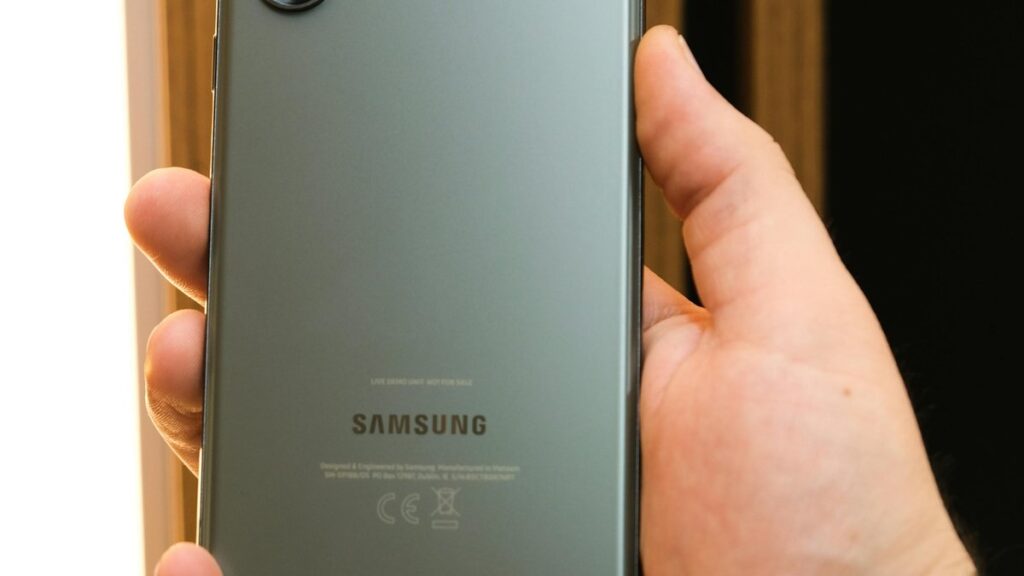
Remember when smartphone cameras were just for quick snaps while your DSLR handled the serious photography? That distinction might be disappearing faster than you think. Samsung’s upcoming Galaxy S26, powered by their new Exynos 2600 processor, is shaping up to be more than just another smartphone upgrade—it could be the device that finally bridges the gap between mobile and professional photography.
Here’s what you need to know:
- The Exynos 2600’s advanced AI processing enables real-time computational photography that wasn’t possible before
- Smartphone cameras are catching up to dedicated gear in key areas like low-light performance and depth sensing
- This could fundamentally change what photography equipment enthusiasts actually need to carry
The Computational Photography Revolution
What makes the Exynos 2600 different isn’t just raw processing power—it’s how that power gets applied to photography. Traditional cameras rely on hardware optics and sensor quality alone. Smartphones like the upcoming Galaxy S26 use computational photography, where the processor analyzes multiple images simultaneously to create a single, superior photo.
According to The Verge’s technology coverage, Samsung’s approach involves real-time AI processing that can handle complex tasks like multi-frame noise reduction, advanced HDR blending, and sophisticated portrait mode effects. This happens so quickly that you won’t notice any delay when shooting.
Why Dedicated Cameras Should Be Worried
If you’ve invested thousands in camera equipment, you might wonder if this really matters. The answer lies in accessibility and convenience. Professional cameras still excel in specific areas, but most photography enthusiasts don’t need that level of specialization for their everyday shooting.
The Galaxy S26’s expected capabilities could handle 90% of what amateur photographers actually do. Think about family events, travel photography, or casual portrait sessions. How often do you really need a full-frame sensor versus having a capable camera that’s always in your pocket?
Samsung’s official announcements suggest the Exynos 2600 will enable features previously limited to high-end dedicated cameras, including real-time subject tracking, advanced eye autofocus, and professional-grade video stabilization. These aren’t just incremental improvements—they’re game-changers for mobile photography.
What This Means for Your Photography Gear
You probably don’t need to sell your professional camera tomorrow, but your equipment buying decisions might change. The convenience of having pro-level photography capabilities in your pocket could reduce how often you reach for your dedicated camera.
Consider these practical implications for photography enthusiasts:
- Travel lighter: One device instead of multiple lenses and bodies
- Capture spontaneously: No more “I wish I had my camera” moments
- Learn faster: Real-time feedback and computational assistance
- Edit less: Better in-camera processing means less post-production work
The most exciting part? This technology will likely trickle down to more affordable smartphones over time, making advanced photography accessible to everyone rather than just professionals with expensive gear.
The Future of Photography Is Computational
We’re witnessing a fundamental shift in how photographs get created. It’s no longer just about capturing light—it’s about intelligently processing visual information. The Exynos 2600 represents the next step in this evolution, where the processor becomes as important as the camera hardware itself.
This doesn’t mean dedicated cameras will disappear entirely. They’ll likely evolve to serve niche professional markets while smartphones handle everyday photography needs. The line between “serious camera” and “phone camera” is getting blurrier by the generation.
The bottom line:
Samsung’s Galaxy S26 with the Exynos 2600 processor could be the device that makes you reconsider what photography equipment you actually need. While professional photographers will still require specialized gear, enthusiasts might find that their smartphone handles most situations perfectly. The real winner here? Anyone who wants amazing photos without carrying heavy equipment everywhere they go.