
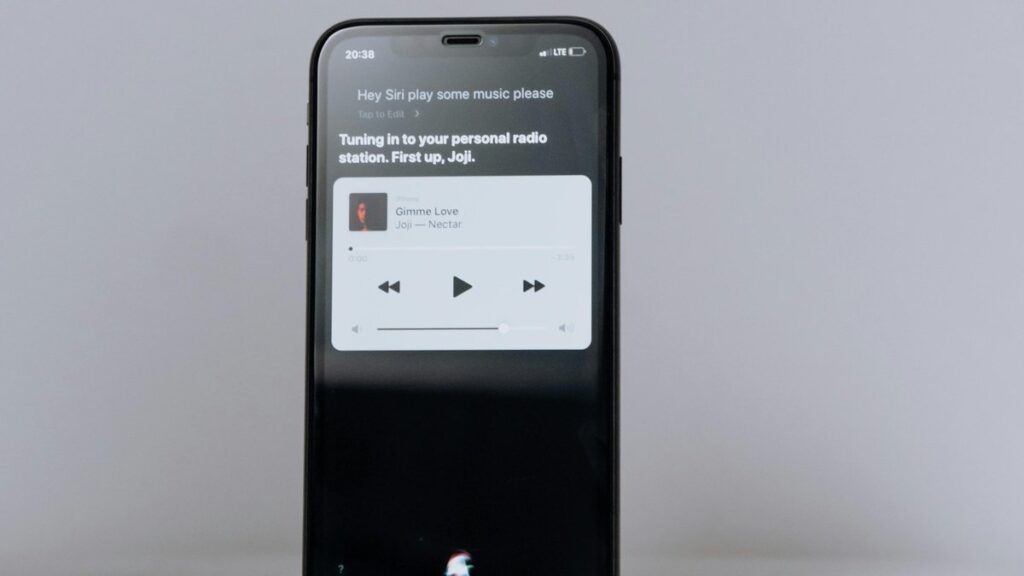
If you’ve ever wished your iPhone could use a different voice assistant besides Siri, your wait might finally be over. Apple’s upcoming iOS 26.2 update, announced on November 17, 2025, represents one of the company’s most significant ecosystem shifts in years.
Here’s what you need to know:
- iOS 26.2 will enable third-party voice assistant integration
- The feature appears limited to certain iPhone models and users in Japan initially
- This marks Apple opening Siri functionality to competitors for the first time
- The update represents a major policy shift for Apple’s walled garden approach
Breaking Down Apple’s Voice Assistant Revolution
For years, Apple has maintained tight control over which voice assistant gets privileged access to your iPhone. Siri has enjoyed exclusive rights to system-level integration, from setting alarms to controlling smart home devices. That monopoly appears to be ending.
According to MacRumors, the iOS 26.2 beta includes functionality that would let users replace Siri with third-party alternatives. While currently limited to Japan, this move signals Apple’s recognition that users want more choice in their digital assistant experience.
The technical implementation reportedly involves new API frameworks that would allow assistants like Claude and Gemini to access system functions traditionally reserved for Siri. Imagine asking a different AI to read your messages, control your music, or manage your calendar without constantly switching between apps.
Why This Matters for EU iPhone Users
While the initial rollout focuses on Japan, European Union users should pay close attention. The timing aligns perfectly with Apple’s compliance requirements under the Digital Markets Act (DMA), which designates Apple as a “gatekeeper” and requires greater interoperability.
The DMA specifically targets practices that “lock in” users to default services. By forcing Apple to allow alternative voice assistants, the legislation could finally break Siri’s monopoly across the EU. This isn’t just about convenience—it’s about genuine competition in the AI assistant space.
As MacRumors’ beta analysis suggests, the infrastructure being built for Japan could easily extend to EU markets once regulatory pressure intensifies. European iPhone users might soon enjoy the same assistant flexibility that Android users have had for years.
The Challenges and Limitations Ahead
However, this newfound freedom comes with important caveats. The feature’s initial limitation to Japan suggests Apple is testing the waters cautiously. Third-party assistants might not have full access to all Siri functionalities initially, creating a potentially fragmented experience.
Privacy concerns also loom large. While Siri operates within Apple’s strict privacy framework, third-party assistants might have different data handling policies. Users will need to carefully review permissions and understand what data they’re sharing with alternative AI services.
There’s also the question of seamless integration. Will holding the side button instantly activate your preferred assistant, or will you need to jump through additional steps? The user experience details will determine whether this becomes a game-changer or a niche feature.
The Bottom Line:
Apple’s move toward third-party voice assistant support in iOS 26.2 represents more than just a feature update—it signals a fundamental shift in the company’s ecosystem strategy. For EU users, this development could mean finally having real choice in which AI manages your digital life.
While we’re still in early days, the implications are massive. More competition could drive innovation in voice assistant technology, better privacy controls, and ultimately, smarter AI that actually understands what you need. Keep an eye on future beta releases—your next voice assistant might not be made by Apple.
If you’re interested in related developments, explore our articles on Why Apple’s New iOS Toggle Could Change How You See Your Phone and Why Apple’s Google AI Deal Could Finally Fix Siri’s Biggest Problems.