
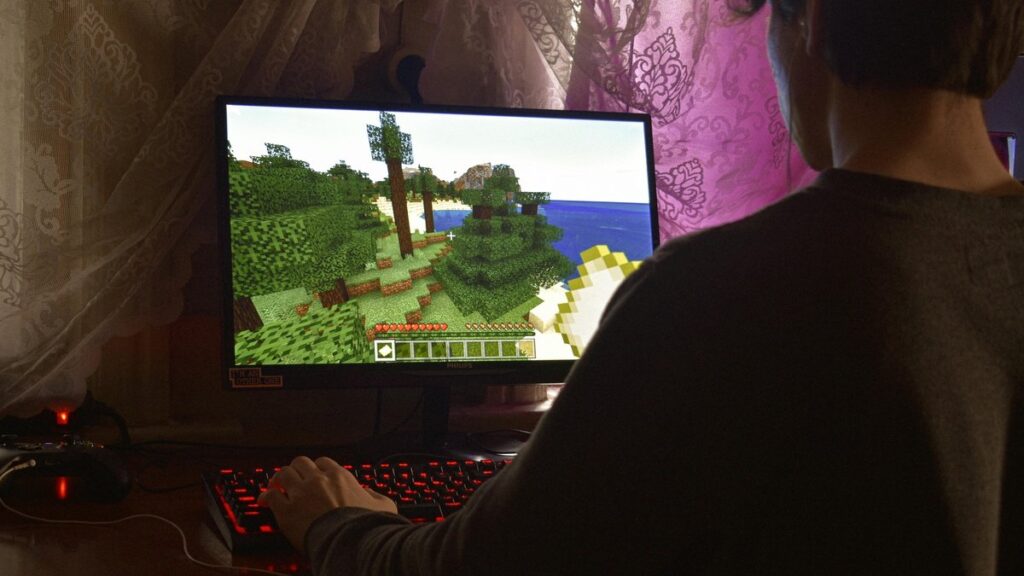
On November 7, 2024, Take-Two Interactive CEO Strauss Zelnick made a statement that caught the entire gaming world off guard: he declared that gaming is moving towards PC as a primary platform. If you’ve been gaming on consoles for years, this might sound surprising, but when you look at the numbers and trends, it starts to make perfect sense. What does this mean for the future of your favorite games and the devices you play them on?
Here’s what you need to know:
- Take-Two Interactive, parent of Rockstar Games and 2K, reported 1.6 billion in net revenue in their latest quarter, up from 1.3 billion the previous year
- The global gaming market hit 37.8 billion in 2023 and is projected to reach 44.5 billion by 2027, showing massive growth
- This shift impacts major markets like the United States, United Kingdom, Germany, France, Canada, Australia, Japan, and South Korea
- Companies like Microsoft are closely watching these trends as they refine their platform strategies
The Driving Forces Behind the PC Movement
So why is gaming pivoting toward PCs? It’s not just about raw power anymore. PC gaming offers unparalleled flexibility—you can upgrade components, mod games, and access a vast library of titles that consoles can’t match. According to TechSpot’s coverage, Zelnick highlighted how the industry is shifting away from closed systems, which traditionally locked players into specific hardware.
This openness aligns with evolving gamer preferences. In regions like Japan and South Korea, where PC bangs (gaming cafes) are hugely popular, the community-driven aspect of PC gaming fosters deeper engagement. Meanwhile, advancements in game engines like RAGE Engine and AI tools such as Claude and Gemini are making PC development more efficient, allowing for richer, more immersive experiences.
What This Means for Console Manufacturers
For console giants like Microsoft, this trend presents both opportunities and challenges. On one hand, Microsoft has been blurring the lines between PC and console with initiatives like Xbox Play Anywhere, which lets you buy a game once and play it on both platforms. As NeoGAF’s discussion notes, this shift could force console makers to rethink exclusive titles and hardware cycles.
However, there’s a significant downside. Consoles have long thrived on their plug-and-play simplicity and curated ecosystems. If gaming leans too heavily toward PC, console manufacturers might face declining sales in key markets like the United States and Europe. They’ll need to innovate faster, perhaps by integrating PC-like features into future consoles or exploring cloud gaming to stay relevant.
Are Consoles Becoming Obsolete?
Not exactly. Consoles still dominate in living rooms and among casual gamers who prefer convenience over customization. But the pressure is on. With Take-Two’s revenue jumping to 1.4 billion in recent reports, it’s clear that publishers are seeing where the money is flowing. Console makers will need to adapt or risk being left behind in this evolving landscape.
The Future of Gaming Platforms
Looking ahead, the lines between PC and console will continue to blur. We’re already seeing cross-platform play become standard, and technologies like cloud gaming could make the device itself less important. The key will be how well companies balance openness with user-friendly experiences.
In countries like Australia and Canada, where gaming communities are highly engaged, players are increasingly demanding flexibility. They want to play the same game on their PC, console, or even mobile without losing progress. This push for interoperability could redefine what a “gaming platform” even means in the coming years.
The Bottom Line:
Take-Two’s CEO has spotlighted a seismic shift in gaming, driven by player demand for flexibility and technological innovation. For you, this means more choices and potentially better games as competition heats up. Keep an eye on how console makers respond—their next moves could shape your gaming experience for decades to come. Whether you’re a PC enthusiast or a console loyalist, one thing’s clear: the future of gaming is becoming more open, and that’s ultimately a win for everyone.
If you’re interested in related developments, explore our articles on Why Gaming Communities Are Becoming Life-Saving Networks and Why Linux Gaming Just Became Impossible to Ignore for Developers.