
Remember when you could tell an engine’s power just by counting the cylinders? Those days are officially over. On May 15, 2025, the automotive world reached a tipping point where advanced 4-cylinder engines began delivering performance that would make classic V8 owners do a double-take.
Here’s what you need to know:
- Modern turbocharging technology enables unprecedented power from smaller engines
- Power-to-weight ratios now compete directly with traditional V8 configurations
- The engine downsizing trend continues while maintaining performance standards
- This shift impacts both performance enthusiasts and environmental regulations
The Technology Behind The Power Revolution
What’s happening under the hood isn’t magic—it’s advanced engineering. Modern 4-cylinder engines achieve V8-level outputs through sophisticated turbocharging systems that would have been science fiction a decade ago. These aren’t your grandfather’s four-bangers.
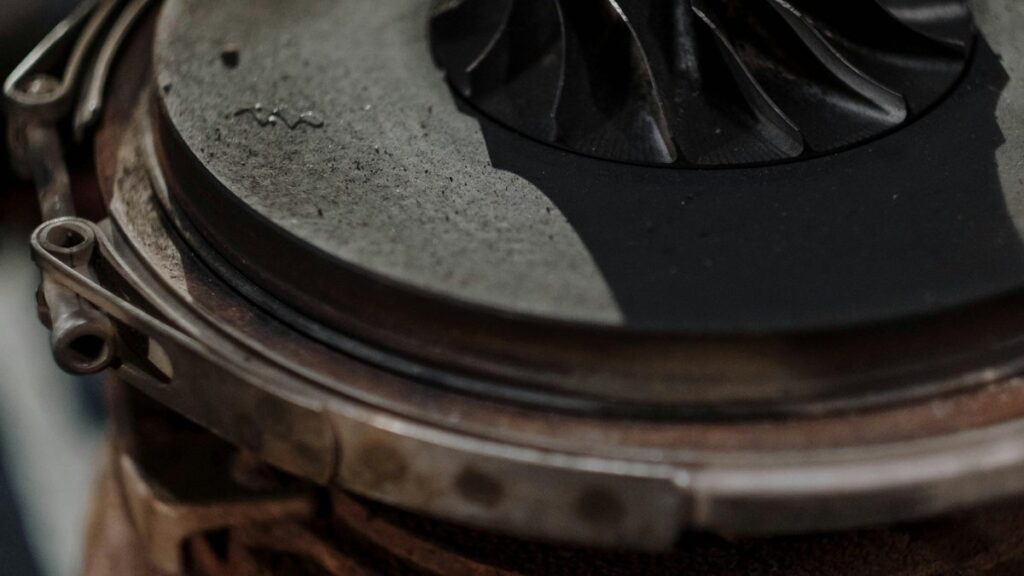
The secret lies in forced induction technology that packs more air into each combustion cycle. Think of it like breathing through a straw versus a fire hose. Today’s turbochargers can force nearly three times the air volume into cylinders compared to systems from just five years ago.
According to CarBuzz’s 2025 analysis, several new 4-cylinder models are outperforming their V8 counterparts in both straight-line acceleration and track times. The numbers don’t lie—smaller engines are achieving what was once reserved for much larger powerplants.
Why Performance Enthusiasts Should Pay Attention
If you’re a driving purist who thinks “there’s no replacement for displacement,” prepare to have your mind changed. The latest 4-cylinder engines deliver immediate throttle response and power bands that remain strong throughout the RPM range.
What’s particularly impressive is how these engines handle heat management and reliability. Early turbocharged engines struggled with longevity, but modern cooling systems and materials science have solved these challenges. You get the power without the maintenance headaches that often came with high-strung performance engines.
GM’s recent V8 development announcement actually highlights this trend—even manufacturers known for big engines are investing heavily in advanced 4-cylinder technology for performance applications.
The Environmental Advantage You Can’t Ignore
Here’s where the story gets really interesting. These powerful 4-cylinder engines aren’t just about performance—they’re helping automakers meet stringent emissions regulations across markets in the United States, United Kingdom, Canada, Germany, Japan, South Korea, and Australia.
Smaller engines naturally consume less fuel when you’re not pushing them hard. The beauty of modern turbocharging is that you get efficiency during normal driving and explosive power when you need it. It’s the automotive equivalent of having your cake and eating it too.
The industry’s move toward engine downsizing represents a $12.8 billion market shift in 2025 as manufacturers retool factories and develop new technologies. This isn’t a niche trend—it’s the new reality of performance engineering.
What This Means For Your Next Car Purchase
When you’re shopping for your next performance vehicle, don’t automatically dismiss the 4-cylinder options. Many now deliver the power you’d expect from larger 6 or 8 cylinder engines, often with better fuel economy and lower emissions.
The key is looking beyond the cylinder count and focusing on the actual performance numbers. Horsepower, torque curves, and real-world testing tell the true story. Several manufacturers are now offering 4-cylinder models that outperform their own V8 offerings from just a few years ago.
The bottom line:
The era of judging engine performance by cylinder count is over. Advanced 4-cylinder engines now deliver V8-level power while meeting environmental standards that larger engines can’t match. For performance enthusiasts, this means you get thrilling acceleration without compromising on efficiency. The future of performance driving is here, and it’s smaller, smarter, and more powerful than ever.
If you’re interested in related developments, explore our articles on Why Russia’s Spaceport Power Cut Reveals Global Space Risks and Why Rental Properties Are Ditching Living Rooms – And What It Means For You.