
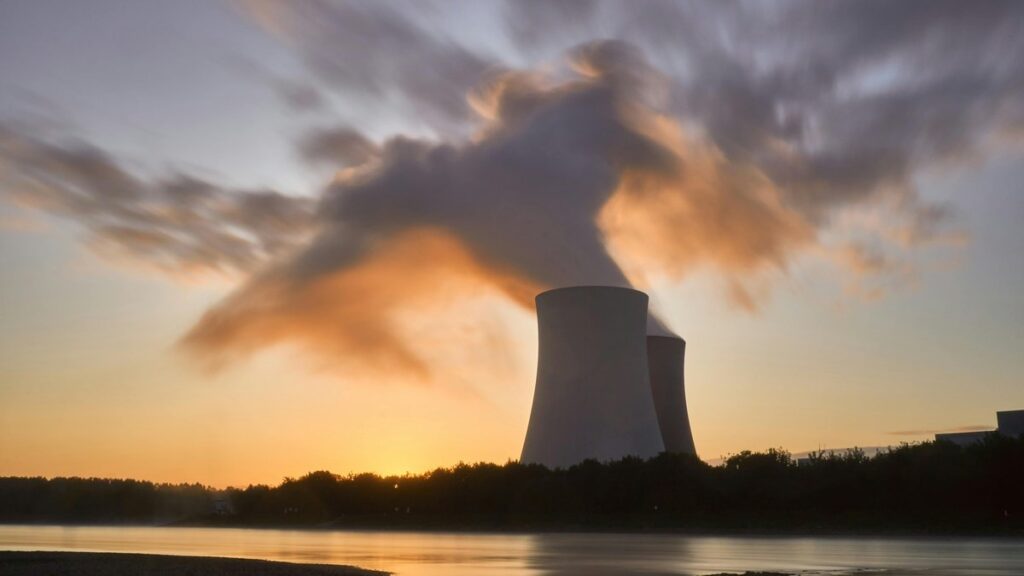
On November 18, 2025, the Department of Energy under the Trump administration made a stunning announcement that could change how America powers its future. A $1 billion loan is headed to a Microsoft partner company to restart the infamous Three Mile Island nuclear reactor. If you’re wondering why a tech giant is diving into nuclear energy, you’re not alone.
Here’s what you need to know:
- $1 billion federal loan approved for restarting Three Mile Island Unit
- Project expected to create approximately 600 jobs and power about 800 homes
- Microsoft’s unspecified partner leading the nuclear reboot effort
- Total project involvement hints at $1.6 billion in broader investments
The Clean Energy Comeback No One Saw Coming
Nuclear power has been sitting on the bench for decades, especially after the 1979 incident at Three Mile Island made headlines worldwide. But now, it’s getting a second chance thanks to this massive loan. According to Electrek’s report, this isn’t just about reviving one reactor—it’s about testing whether nuclear energy can compete with solar and wind in the race for carbon-free power.
What makes this particularly interesting is the timing. With climate concerns mounting and tech companies hungry for reliable, clean electricity, nuclear offers something renewables struggle with: consistent baseload power that doesn’t depend on weather. Imagine data centers and AI operations running 24/7 without carbon emissions—that’s the dream behind this move.
Why Microsoft’s Involvement Changes Everything
When a tech titan like Microsoft backs a nuclear project, it signals a major shift in how big tech views energy. While the specific partner company remains unnamed, Microsoft’s role suggests this is about securing clean power for its growing Azure cloud services and AI operations. As noted on the Microsoft Azure Blog, the company has committed to ambitious sustainability goals, including powering data centers with carbon-free energy.
But here’s the thing: tech companies aren’t just energy consumers anymore. They’re becoming energy producers and innovators. By partnering on nuclear restarts, Microsoft could be pioneering a model where tech firms directly invest in the power sources they need most. This isn’t just about corporate responsibility—it’s about ensuring the electricity required for tomorrow’s technologies doesn’t come from fossil fuels.
The Risks and Challenges You Can’t Ignore
While the promise of 600 jobs and clean power is exciting, nuclear restarts come with significant hurdles. Safety concerns at Three Mile Island will understandably make some communities nervous. Then there’s the cost—nuclear projects are infamous for budget overruns, and the $1.6 billion total investment hint suggests this won’t be cheap.
Another challenge? Nuclear waste management remains unresolved in the U.S. Without long-term storage solutions, even carbon-free nuclear power carries environmental baggage. And let’s not forget the regulatory maze—getting a dormant reactor back online involves navigating layers of federal and state approvals that could delay the project for years.
The bottom line:
This $1 billion loan represents more than just a nuclear reboot—it’s a test case for whether public-private partnerships can accelerate America’s clean energy transition. If successful, we could see more tech companies investing directly in reliable, carbon-free power sources. But the path forward requires balancing innovation with safety, cost controls, and community trust. Your takeaway? Watch this space—how this project unfolds could set the template for the next decade of energy-tech collaborations.
If you’re interested in related developments, explore our articles on Why Rockstar’s Union-Busting Allegations Could Reshape Game Development and Why Samsung’s Exynos Comeback Could Reshape Your Next Phone.