
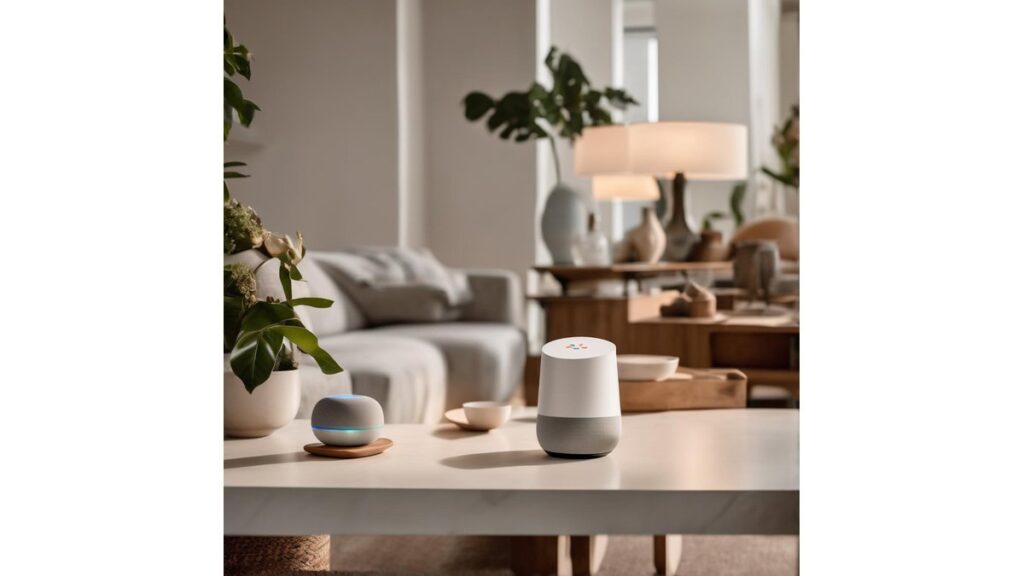
You’ve probably noticed how your smart home devices keep getting smarter, but what if the next big leap requires you to raise your hand first? That’s exactly what’s happening with Gemini AI integration into Google Home – it won’t magically appear on your devices overnight.
Google is taking a deliberate approach to rolling out these advanced features, and understanding why could save you from frustration while positioning you at the forefront of home automation innovation.
Here’s what you need to know:
- Gemini AI capabilities are coming to Google Home through a controlled early access program
- You must actively sign up – features won’t automatically enable for all users
- This phased approach helps Google refine the experience before full deployment
- Early adopters get first look at potentially game-changing smart home interactions
Why Google is Managing This Rollout Carefully
When AI features integrate directly into your home environment, the stakes are significantly higher than with typical app updates. According to Google Cloud Status documentation, the company maintains rigorous deployment protocols for services affecting multiple integrated systems.
Think about what happens when AI controls your lights, thermostat, and security systems simultaneously. A bug that might be minor in a smartphone app could have real consequences when it governs your physical environment.
The Testing Advantage
What many users don’t realize is that early access programs serve as crucial real-world testing grounds. As The Verge has reported in coverage of Google’s product launches, these controlled rollouts allow companies to identify edge cases and compatibility issues that lab testing might miss.
Your specific device combinations, network configurations, and usage patterns become valuable data points that shape the final product for everyone.
How the Sign-Up Process Actually Works
Unlike traditional software updates that arrive automatically, Gemini integration requires proactive enrollment. While Google hasn’t released the exact sign-up portal yet, based on their historical approach to early access programs, you’ll likely need to:
- Monitor official Google Home announcements through their blog or app notifications
- Complete a brief questionnaire about your current smart home setup
- Agree to share usage data and feedback during the testing period
- Potentially meet certain device compatibility requirements
Why This Matters for Your Smart Home Strategy
If you’re investing in building a sophisticated smart home ecosystem, getting early access to Gemini could provide significant advantages. You’ll learn the new interaction patterns and capabilities before they become mainstream.
Imagine being able to ask complex, multi-step requests like “warm up the living room and start my evening relaxation playlist” and having the AI understand context and preferences more naturally. Early testing lets you master these interactions while they’re still evolving.
What Gemini Could Transform in Daily Home Life
The potential extends far beyond simple voice commands. Gemini’s advanced reasoning capabilities might enable your Google Home to anticipate needs based on routines, weather conditions, or even your calendar.
Consider morning routines that adapt to traffic conditions automatically, or energy savings that optimize based on predicted occupancy patterns. These aren’t just theoretical – they’re the types of capabilities that early testers will help refine.
The Privacy and Control Question
Any time AI becomes more integrated into our lives, reasonable questions about data handling emerge. Google’s phased approach allows them to address these concerns methodically while giving early participants transparency into how their information is processed.
You’ll have the opportunity to see exactly what data the system collects and how it’s used to improve the experience – something that’s often less visible in final public releases.
The bottom line:
Google’s deliberate rollout of Gemini features to Google Home represents a strategic shift in how major AI capabilities reach consumers. By requiring active sign-up rather than automatic deployment, they’re ensuring better stability while giving enthusiasts a chance to shape the future of home automation. Keep an eye on official channels for the early access announcement – your participation could help define the next generation of smart living.