
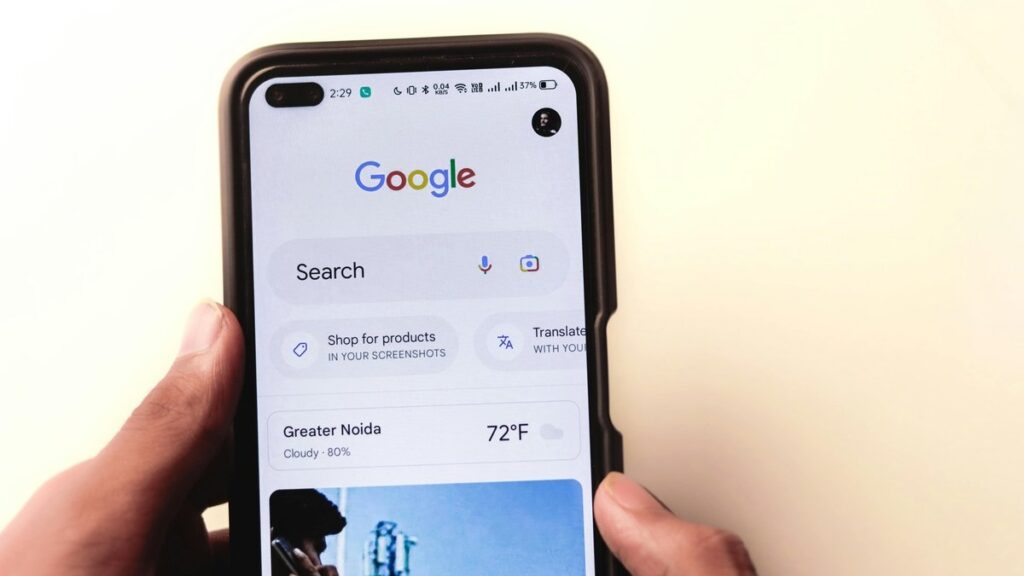
I recently made the leap that many smart home enthusiasts fear – I completely abandoned my Alexa ecosystem after years of investment. The transition wasn’t easy, but the results transformed how my home functions. What started as frustration with limited capabilities ended with a revelation about smart home ecosystems.
Here’s what you need to know:
- Amazon announced major Alexa updates on September 25, 2025
- The smart assistant market generated $12.3 billion in revenue
- Platform switching requires careful planning but offers significant benefits
- Your ecosystem choice impacts long-term smart home flexibility
The Breaking Point with Alexa
My journey began when Alexa’s limitations became impossible to ignore. Simple requests turned into frustrating exchanges, and my smart home felt increasingly dumb. The final straw came when I couldn’t coordinate multiple devices for basic morning routines.
According to SmartThings Community discussions, I wasn’t alone in experiencing these limitations. Many users reported similar ecosystem constraints that made advanced automation challenging.
Why Google Assistant Changed Everything
Switching to Google Assistant revealed what I’d been missing. The natural language processing felt more intuitive, and cross-device communication worked seamlessly. My lights, thermostat, and entertainment system finally felt like they were working together rather than competing.
The difference became especially clear with multi-step commands. Where Alexa often struggled with complex requests, Google Assistant understood context and executed sequences flawlessly. This wasn’t just incremental improvement – it was a fundamental upgrade in how my smart home operated.
What Amazon’s 2025 Announcements Mean
Amazon’s September 25, 2025 announcements through their official channels highlighted significant investments in Alexa’s capabilities. The company clearly recognizes the competitive pressure from Google’s ecosystem and other AI assistants.
However, the challenge for existing users isn’t just about new features – it’s about ecosystem maturity. While Amazon continues innovating, Google’s assistant benefits from years of refinement across multiple product categories and markets including the United States, UK, Germany, Canada, Japan, France, and Italy.
The Migration Process: Easier Than Expected
I expected device migration to be the most painful part, but modern smart home standards made the transition surprisingly smooth. Most of my smart plugs, lights, and sensors connected to Google Home without issues. The real work involved recreating routines and automations from scratch.
This rebuilding process actually became an advantage. It forced me to rethink my smart home logic and create more efficient automations. Sometimes starting fresh provides opportunities you wouldn’t discover through incremental improvements.
Considerations Before You Switch
Platform switching isn’t for everyone, and there are genuine considerations before making the leap. If you’re heavily invested in Alexa-specific skills or have multiple Echo devices, the financial and time investment might not make sense.
However, if you’re experiencing similar limitations or planning new smart home investments, the ecosystem decision becomes crucial. Your choice today will influence your smart home’s capabilities for years to come.
The Bottom Line: Ecosystem Strategy Matters
My switch from Alexa to Google Assistant taught me that smart home success depends more on ecosystem strategy than individual devices. The $12.3 billion revenue in this space demonstrates how critical these platforms have become to modern living.
Whether you stick with Alexa, switch to Google, or consider other options, approach your ecosystem as a long-term investment. Choose the platform that aligns with your household’s communication style and automation needs. The right ecosystem should feel invisible – seamlessly integrating into your daily life rather than demanding constant attention.
Your smart home should work for you, not the other way around. Sometimes that means making the difficult decision to switch platforms for better long-term results.
If you’re interested in related developments, explore our articles on Why Amazon’s New Echo Speaker Choice Reveals a Smart Home Crossroads and Why Smart Home Owners Are Downgrading to Analog ‘Dumb’ Homes.