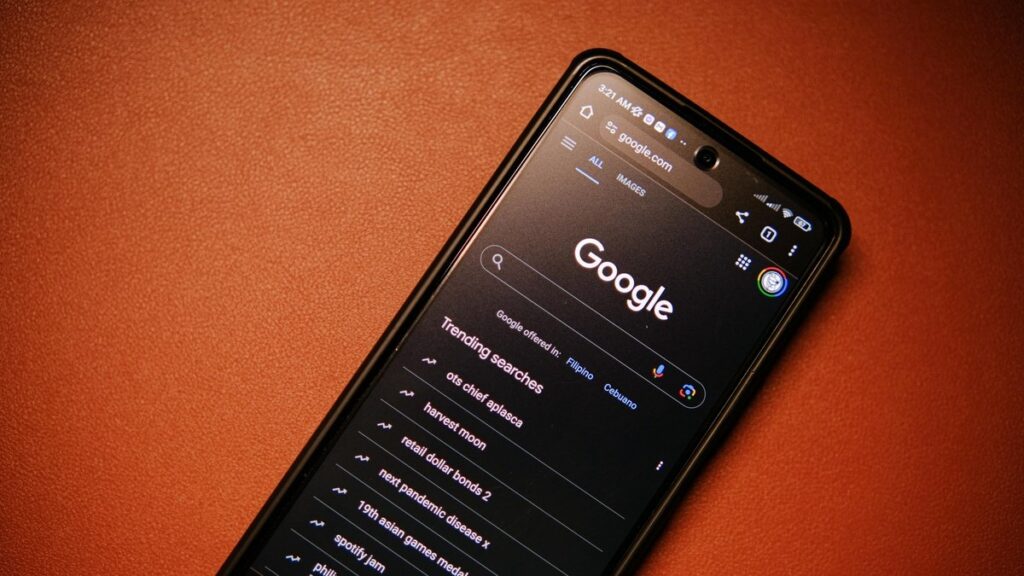

Your phone just buzzed. Your Slack notification popped up. Another email just landed. You’re probably reading this while thinking about three other things simultaneously. Sound familiar? This constant digital stimulation is quietly killing our most valuable professional asset: creative thinking.
A recent wave of attention around Manoush Zomorodi’s book ‘Bored and Brilliant’ reveals something surprising. The very spaces between productivity—those moments we fill with scrolling and notifications—might hold the key to solving the creative burnout epidemic plaguing tech workers.
Here’s what you need to know:
- Boredom isn’t wasted time—it’s your brain’s creative incubation period
- Constant digital stimulation prevents the mind-wandering that fuels innovation
- Tech companies are starting to recognize the productivity paradox
- Simple changes to your digital habits can dramatically boost creative output
The Science Behind Spacing Out
When you’re bored, something remarkable happens in your brain. According to research highlighted in Zomorodi’s work, your brain enters what neuroscientists call the “default mode network.” This isn’t downtime—it’s active problem-solving mode.
Think of it like this: your conscious mind takes a break while your subconscious connects distant ideas. Those “aha” moments in the shower? That’s your default mode network working without interruptions. The challenge for digital workers is we rarely allow these mental spaces anymore.
Why Tech Workers Are Particularly Vulnerable
If anyone understands the creative burnout problem, it’s companies like Meta. The always-on culture of tech—with its endless notifications, constant connectivity, and pressure to innovate—creates the perfect storm for creative exhaustion.
You’re expected to produce brilliant ideas on demand while drowning in digital distractions. The irony is palpable: the tools designed to make us more productive are making us less creative.
As recent analysis suggests, this isn’t just about individual productivity. When entire teams operate in constant reactive mode, organizational innovation suffers. The most groundbreaking ideas require mental space that our current work culture systematically eliminates.
Practical Steps to Reclaim Your Creative Mind
So how do you build boredom into a packed schedule? It’s about intentional gaps rather than massive time commitments.
Start with your commute. Instead of checking emails on the train, just stare out the window. Take walking meetings without your phone. Schedule 15-minute “thinking breaks” between video calls. The goal isn’t to do nothing—it’s to do nothing digital.
Here’s a simple framework to begin:
- Identify your most creative time of day
- Protect that time from digital interruptions
- Embrace small moments of waiting without reaching for your phone
- Notice when ideas emerge during these quiet periods
The Organizational Challenge
While individual changes help, the real transformation happens when companies recognize the creative cost of constant connectivity. Forward-thinking tech leaders are starting to question whether endless meetings and instant messaging actually serve innovation.
The challenge for management is balancing collaboration needs with the solitary thinking time that drives breakthroughs. Some teams are experimenting with “no meeting Wednesdays” or designated focus hours where notifications are paused.
But here’s the tricky part: this isn’t about working less. It’s about working differently. The most productive creative work often looks like spacing out from the outside. The key is creating cultural permission for this type of “productive boredom.”
The bottom line:
In our quest for maximum efficiency, we’ve accidentally engineered creativity out of our workdays. The solution isn’t more productivity hacks or time management systems—it’s building intentional spaces for your mind to wander.
Your next breakthrough idea probably won’t happen during your tenth video call of the day. It might emerge during that walk around the block or while you’re staring out the window. The most radical productivity hack for today’s digital worker might just be learning to be comfortably, creatively bored again.
If you’re interested in related developments, explore our articles on Why Half-Life 3’s Rumored Announcement Date Matters Now and Why Alphabet Is Launching Moonshots as Independent Companies Now.