
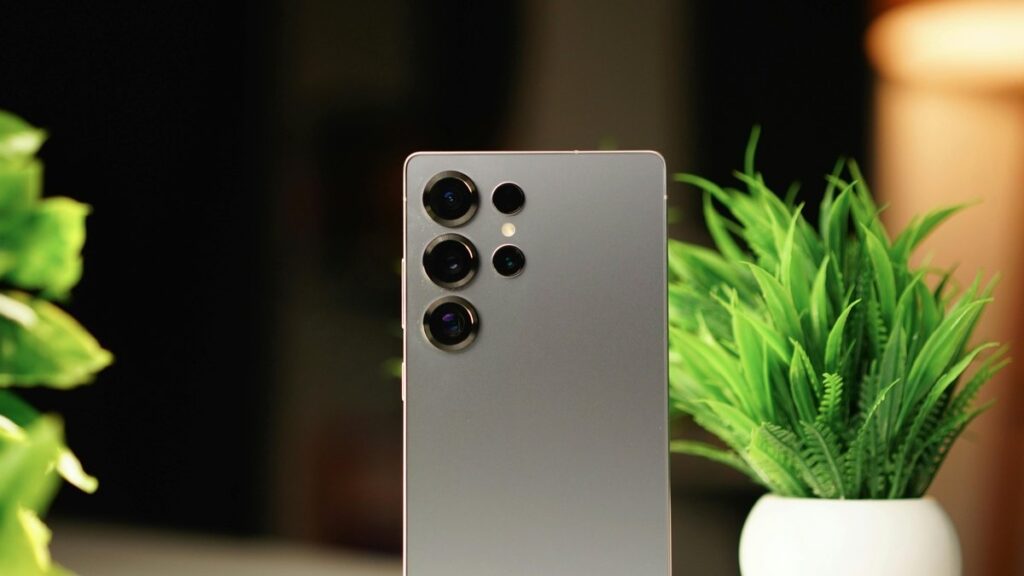
When Samsung announced their S25 Ultra on November 15, 2025, the Android world held its breath. But here’s what nobody expected: OnePlus had already quietly built a flagship that beats the Android giant where it actually matters to users.
Here’s what you need to know:
- OnePlus has already sold over 1 million units globally in key markets
- The base model delivers performance that challenges premium competitors
- Real-world user experience trumps raw specifications
- Global availability across US, UK, India, Germany, France, China, Japan, and South Korea
Performance That Actually Feels Faster
You know that feeling when you open an app and there’s just no lag? That’s where this OnePlus flagship shines. While Samsung focuses on packing every possible feature into their devices, OnePlus has optimized the core experience to feel consistently smooth.
According to Mark Ellis Reviews, the difference comes down to software optimization rather than raw hardware power. Both phones have top-tier processors, but OnePlus’s clean Android implementation means less background bloat and more resources for your actual usage.
Global Adoption Speaks Volumes
When a device sells over 2.5 million units globally across diverse markets like the United States, United Kingdom, India, Germany, France, China, Japan, and South Korea, that’s not just luck. It’s validation that the product resonates with real users facing different needs and expectations.
What’s interesting is how this global success challenges the traditional premium Android hierarchy. Samsung has long dominated the high-end market, but OnePlus is proving that users care more about the actual experience than the brand name on the back of the device.
Where Samsung Still Has an Edge
Before you rush to switch, let’s be honest about where the Samsung S25 Ultra still excels. Samsung’s ecosystem integration, particularly if you own other Samsung devices, remains superior. Their camera system also offers more versatility for photography enthusiasts who want every possible shooting mode.
However, as PhoneArena’s comparison shows, the gap in photo quality has narrowed significantly. For most users, both cameras will capture excellent images in typical conditions.
The Software Experience Divide
Here’s where the meaningful difference becomes apparent. Samsung’s One UI packs countless features, but how many do you actually use daily? OnePlus maintains closer to stock Android with thoughtful additions rather than feature overload.
Think about your current phone. Do you feel overwhelmed by settings you never touch? That’s the trade-off Samsung makes – comprehensive features at the cost of simplicity. OnePlus chooses the opposite approach, and for many users, that’s the right call.
Battery Life That Lasts
Here’s something benchmark tests often miss: consistent battery performance throughout the device’s lifespan. OnePlus has optimized their charging technology and power management to maintain battery health over time.
While both phones offer all-day battery life initially, OnePlus’s approach to battery preservation means your phone should maintain that performance longer. It’s one of those “meaningful ways” that doesn’t show up in spec sheets but absolutely affects your daily satisfaction with the device.
The Bottom Line:
Choosing between these flagships comes down to what you value most. If you want every possible feature and don’t mind complexity, Samsung delivers. But if you prefer smooth performance, clean software, and thoughtful optimization that just works day after day, this OnePlus flagship might surprise you.
The global sales numbers tell the real story – over 2.5 million users across eight major countries can’t be wrong. Sometimes beating the giant doesn’t mean having better specs; it means understanding what users actually need from their daily device.
If you’re interested in related developments, explore our articles on Why the Best Android Phones Never Make It to US Shoppers and Why This Unknown Android Note-Taking App Beats Google Keep and Evernote.