
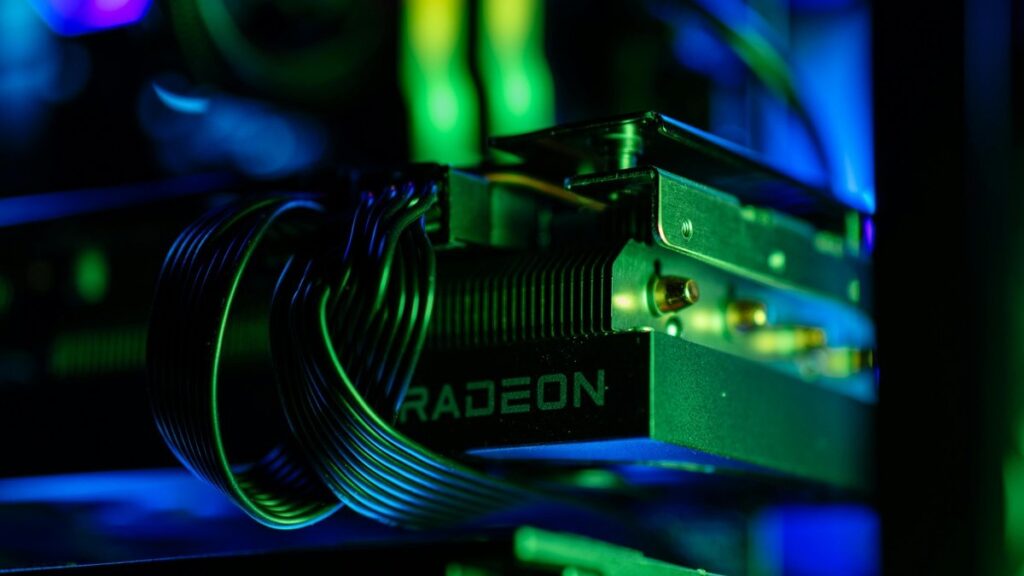
If you’ve been eyeing those skyrocketing GPU prices lately and wondering how you’ll ever afford to play the latest games, AMD just threw you an unexpected lifeline. While most tech companies are busy pushing their newest, most expensive hardware, AMD is doing something different with their older graphics cards – and it could completely change your upgrade strategy.
Here’s what you need to know:
- AMD’s RDNA1 architecture (RX 5000 series) will keep receiving game optimizations
- RDNA2 architecture (RX 6000 series) continues getting performance updates
- This extends the usable lifespan of older, more affordable GPUs
- Budget gamers can confidently buy used or discounted older cards
The Smart Money Move in GPU Shopping
When The Verge reported on AMD’s official statement about continued RDNA1 and RDNA2 support, they highlighted something crucial that many tech sites missed. Most graphics card manufacturers treat older architectures like yesterday’s news, quickly shifting all optimization resources to their newest products.
But AMD is breaking that pattern. Their continued driver support means your RX 5700 XT or RX 6700 XT isn’t becoming obsolete anytime soon. Think about what this means practically: that $250 used GPU you’ve been eyeing just became a much smarter investment.
Why This Changes Everything for Budget Builds
Let’s talk real numbers. A new high-end GPU can easily cost $800-$1,200. Meanwhile, a used RX 6700 XT goes for around $250-$300 and can handle 1440p gaming beautifully. With AMD committing to ongoing optimizations, that performance gap between new and older cards shrinks significantly.
What’s particularly interesting is how this affects game performance over time. Graphics drivers aren’t just bug fixes – they include specific optimizations for new game engines and rendering techniques. When TechSpot analyzed driver improvements across multiple GPU generations, they found consistent performance gains of 5-15% over a card’s lifespan.
That means the RX 6600 you buy today might actually perform better next year than it does right now. That’s almost unheard of in the tech world, where components typically lose value and relevance from day one.
The Ripple Effect on the Entire GPU Market
AMD’s decision creates an interesting dynamic in the secondary market. When manufacturers support older hardware longer, it increases resale value and reduces electronic waste. But more importantly for you, it means more competition at every price point.
Nvidia now faces pressure to match AMD’s long-term support for their older architectures. This could lead to better driver support across the board, benefiting everyone regardless of which brand you prefer.
Here’s what you should consider when GPU shopping now:
- Long-term value: How many years of solid performance can you expect?
- Driver track record: Does the manufacturer have history of supporting older cards?
- Performance targets: What resolution and settings do you actually need?
- Future-proofing: Will this card handle games coming in 2-3 years?
The bottom line:
AMD’s commitment to older RDNA architectures isn’t just a nice gesture – it’s a strategic move that benefits everyone except maybe their competitors. For budget-conscious gamers, it means you can invest in older hardware with confidence, knowing you’ll continue receiving performance improvements rather than being left behind.
The next time you’re GPU shopping, don’t automatically assume newer means better value. Sometimes, the smarter play is going with proven, supported older technology that gives you 80% of the performance for 40% of the cost. And in today’s gaming landscape, that’s a win worth celebrating.