
If you’ve been waiting to build or upgrade your PC, you’re witnessing one of the strangest market reversals in recent memory. Just as graphics cards become more affordable, memory prices are heading in the opposite direction. The timing couldn’t be more frustrating for budget-conscious builders.
Here’s what you need to know:
- GPU prices are trending downward across major markets
- RAM costs are experiencing significant increases
- This creates unique challenges for PC builders and system integrators
- The situation affects consumers in the United States, United Kingdom, Germany, France, Canada, Japan, South Korea, and Australia
The Great GPU Price Correction
After years of inflated prices and limited availability, graphics cards from NVIDIA, AMD, and Intel are finally becoming more accessible. The market correction that began in late 2024 has accelerated, bringing relief to gamers and content creators who’ve been priced out for too long.
What’s driving this shift? Several factors converged simultaneously. Improved manufacturing yields, reduced cryptocurrency mining demand, and increased competition from all three major GPU manufacturers created perfect conditions for price normalization. As industry analysts have documented, we’re seeing the most significant GPU price drops since the pandemic-era shortages.
The RAM Price Surprise
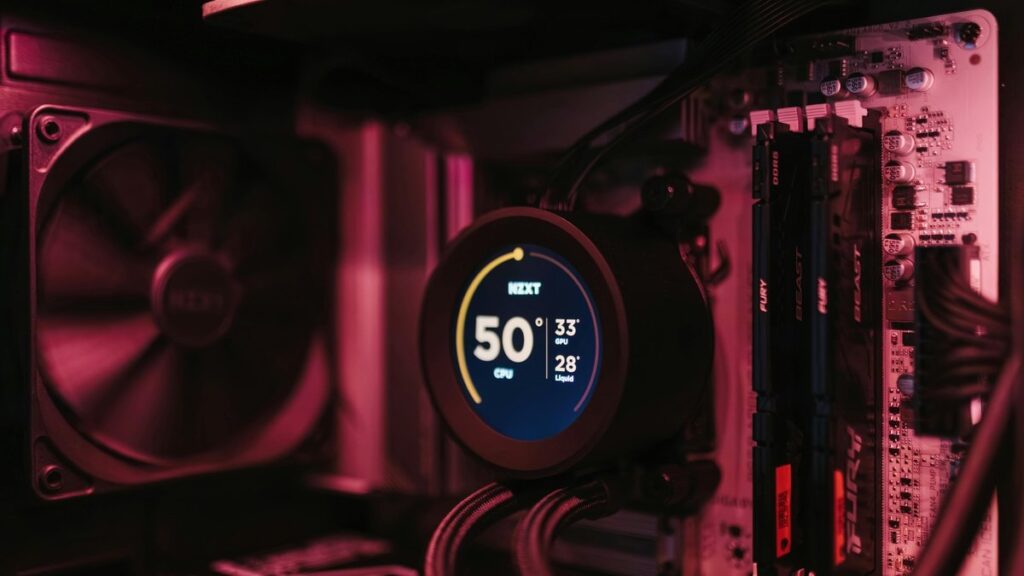
While GPU prices descend, memory costs are climbing at an alarming rate. The very components that seemed stable and predictable are now becoming budget-busters for many builds. This isn’t just a minor fluctuation—we’re talking about substantial increases that could add hundreds to your total system cost.
According to recent market analysis, DDR5 memory prices have been particularly affected. The timing couldn’t be worse, as DDR5 was finally reaching price parity with older DDR4 standards. Now builders face difficult choices about whether to stick with older technology or absorb the higher costs of current-generation memory.
What’s behind the RAM price surge? Production adjustments, increased manufacturing costs, and shifting demand from other sectors have created a perfect storm. Unlike GPU prices that respond quickly to consumer demand, memory markets operate on longer cycles that can take quarters to stabilize.
What This Means for Your Next Build
For PC builders and system integrators, this market divergence requires strategic thinking. The old approach of allocating fixed budgets to different components no longer works when prices move in opposite directions.
Here’s how smart builders are adapting:
- Prioritize GPU selection first – Lock in current graphics card prices before they potentially rebound
- Consider used or previous-generation RAM – DDR4 still offers excellent performance for most applications
- Balance your budget allocation – The money saved on GPUs might need to cover higher memory costs
- Watch for bundle deals – Some retailers are offering GPU-RAM combinations to offset the pricing imbalance
System integrators—companies that build complete computers for clients—face particular challenges. They must either absorb the higher RAM costs or pass them along to customers while explaining why some components got cheaper while others became more expensive. This requires clear communication about market dynamics that many consumers don’t follow closely.
Navigating the Component Rollercoaster
The big question every builder is asking: How long will this pricing divergence last? While nobody can predict exact timelines, understanding the underlying causes helps set realistic expectations.
GPU prices likely have more room to fall as manufacturing capacity continues to improve and next-generation products approach. The competitive landscape between NVIDIA, AMD, and Intel ensures continued pressure on pricing.
Memory markets, however, operate differently. RAM manufacturers have more consolidated control over production, and their pricing decisions often reflect broader industry demand rather than just consumer PC building trends. The current increases might persist through early 2026 before new production capacity comes online.
The bottom line:
This unusual market situation creates both opportunities and challenges. You can finally get the graphics card you’ve been wanting at reasonable prices, but you’ll need to be strategic about memory selection. The key is balancing your component choices rather than following old budgeting formulas.
For your next build, consider prioritizing your GPU choice based on current pricing, then building around that with memory options that fit your remaining budget. The market might feel confusing, but with careful planning, you can still build an excellent system without breaking the bank.
If you’re interested in related developments, explore our articles on Why Bose Headphones Are Dropping to All-Time Lows This Black Friday and Why AMD’s GPU “Maintenance Mode” Is Actually Good News for Budget Gamers.