
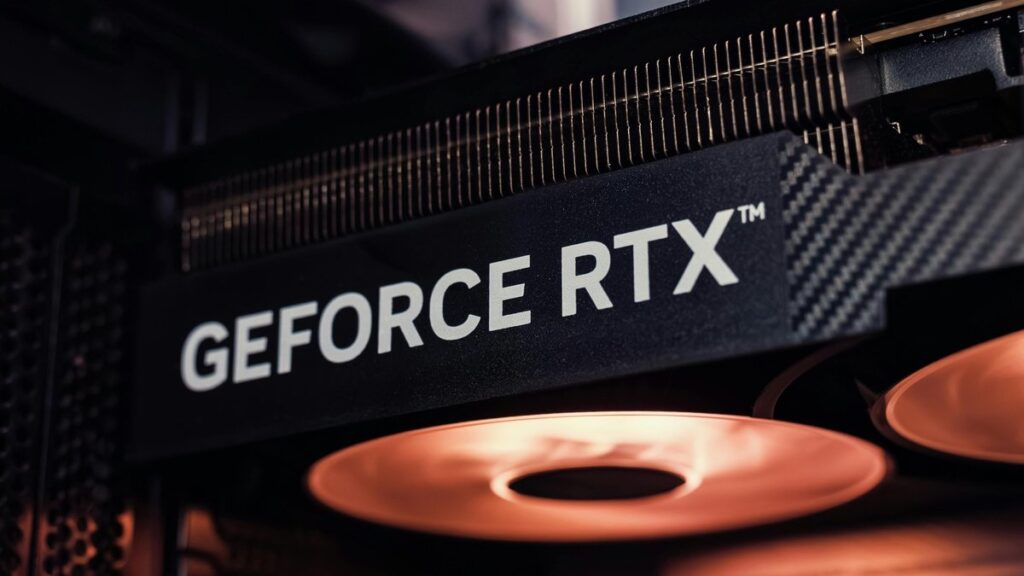
You’ve been waiting months for NVIDIA’s next big GPU launch, saving up for that dream gaming rig upgrade. But just as the RTX 50 SUPER series approaches, reports are emerging that could throw your plans into disarray. The very memory modules these powerful cards need might be in critically short supply.
Here’s what you need to know:
- NVIDIA’s GeForce RTX 50 SUPER refresh faces potential 3GB GDDR7 memory shortages
- This could significantly impact next-gen GPU availability and pricing
- System builders and PC gamers might need to adjust their upgrade timelines
- The shortage specifically affects the high-speed memory modules needed for optimal performance
The Memory Bottleneck Nobody Saw Coming
When you think about graphics card performance, your mind probably goes to core counts and clock speeds. But the memory subsystem is equally crucial. GDDR7 represents the next evolution in graphics memory, offering substantially higher bandwidth than current GDDR6X technology.
According to The Verge’s technology coverage, the shortage specifically involves 3GB GDDR7 memory modules. This isn’t just any memory – it’s the high-speed variety that enables the kind of performance leaps gamers expect from new generations.
What makes this particularly problematic is timing. The RTX 50 SUPER series represents NVIDIA’s refresh strategy, typically designed to offer better performance at more competitive price points than the initial launch models. A memory shortage right now could undermine that entire value proposition.
What This Means for Your Next PC Build
If you’re planning a new gaming PC or significant upgrade in the coming months, this memory shortage could directly impact your options and budget. High-demand graphics cards facing supply constraints often see prices inflated well above their suggested retail value.
Remember the GPU shortage of 2020-2022? While this situation likely won’t reach those extremes, the principles are similar. When supply can’t meet demand, prices rise and availability becomes unpredictable.
System builders should consider their timing carefully. As TechCrunch’s industry analysis often highlights, component shortages create ripple effects throughout the entire PC ecosystem. Pre-built systems might see delays, and custom builds could become significantly more expensive.
The Strategic Implications for NVIDIA
NVIDIA finds itself in a challenging position. The company needs to maintain its momentum in the competitive GPU market while navigating these supply chain constraints. The RTX 50 SUPER series was likely positioned as their answer to competitive pressure from AMD’s upcoming offerings.
What’s particularly interesting is how this might affect NVIDIA’s product segmentation. The company could potentially prioritize higher-margin models, ensuring they have enough memory for their flagship cards while potentially delaying or limiting production of more affordable options.
This creates a difficult balancing act. Gamers expecting more accessible pricing from the SUPER refresh might find themselves disappointed if supply constraints push prices higher than anticipated.
What should you do as a PC gamer?
First, don’t panic. While the reports are concerning, the full impact remains uncertain. Keep these practical steps in mind:
- Monitor official channels for NVIDIA announcements rather than relying on rumors
- Consider your timing – if you need a GPU soon, current generation cards might offer better value
- Watch pricing trends on existing models to gauge how the market is reacting
- Have backup plans for your build in case specific models become unavailable
The bottom line:
The potential GDDR7 memory shortage represents more than just a supply chain hiccup. It could significantly impact the availability, pricing, and timing of NVIDIA’s next-generation graphics cards right when gamers were most excited about the upcoming refresh. While the situation remains fluid, smart PC enthusiasts will keep a close eye on developments and maintain flexibility in their upgrade plans. The coming months will reveal whether NVIDIA can navigate these challenges successfully or if gamers will need to adjust their expectations for the next GPU generation.